
http://info.afrindex.com
China-Africa Trade Information Service
http://info.afrindex.com
China-Africa Trade Information Service
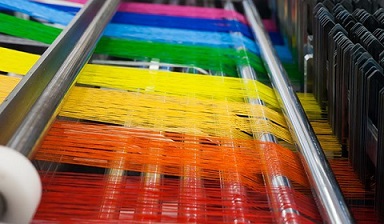
Image from Subsidy Guru
At the 20th National East African Community Summit in Arusha, a city in northeastern Tanzania, the responsible person reiterated plans to develop a strong textile and leather industry in East Africa.
Tanzania's government also plans to boost its cotton exports to $150 million by 2020, up from the current $30 million, according to the country's Deputy Minister of Agriculture, Ms Mary Mwanjelwa.
Meanwhile, Rwanda has already launched a multi-agency task force to embark on a training programme targeting local factories and small and medium enterprises in leather processing. The country's government wants manufacturers to adopt cleaner production technologies.
Emphasis was laid on the region's cotton industry, which was said to be facing huge challenges including low yields, low ginning out-turn ratio and inefficient value addition which was affecting its competitiveness.
Cotton production, processing and trade were said to be highly influenced by policies of major producing countries through price support, tariff protection, production subsidies and stockpiling that destabilise cotton prices. As the result of liberalisation, policy shifted towards export-led growth in textile and garment which has not developed the sector; instead, Tanzania’s cotton leaves the country unprocessed and second-hand clothing, as well as cheap and illegal imports, have flooded the country.
The development of the industry under those trade dispensations failed to significantly develop full value chain production in Tanzania from cotton through spinning, weaving, knitting, design and finished goods production processes.
Kenya has the largest garment sector amongst the EAC countries and produces predominantly for the US. EAC countries including Tanzania lack a sufficient domestic garment production base to meet domestic needs with local or regional production.

