
http://info.afrindex.com
China-Africa Trade Information Service
http://info.afrindex.com
China-Africa Trade Information Service
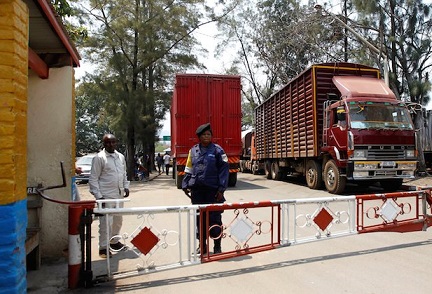
Image from The Africa Report
In the past three decades, the trade relations in sub-Saharan Africa (SSA) have undergone major changes. Some countries have deepened their trade and economic ties with their neighbours through the East African Community (EAC) and the Economic Community of West African States (ECOWAS), thereby achieving faster and more sustained growth.
Until the early-1990s, almost 90% of the SSA region's trading counterparts were extra-regional and predominantly advanced economies, with SSA mainly exporting undiversified primary commodity products and importing consumption and capital goods. Beginning in the early 1990s, trade with advanced economies began declining rapidly and was increasingly replaced with countries in emerging Asia, including but not limited to China.
Over the same period, intra-SSA trade also rose sharply and is now at its highest since records began, making the SSA region’s trade with itself the third-most important regional export destination.
Despite the increase of recent decades, it is generally accepted that intra-SSA trade is still low and has significant scope for growth. Like SSA, the trading relationships of other developing regions of the world are predominantly outward looking.
In 2018, intra-SSA exports accounted for 21% of total exports to the world; in developing Asian countries, that figure was also 21%. But it was lower for countries of the Western hemisphere (16%) and the Middle East and North Africa (14%). Compare this to advanced economies – which trade more with each other – with exports to other advanced economies accounting for 64% of total exports in 2018, whilst imports were 60% of the total.
The African Continental Free Trade Area Agreement (AfCFTA) has been described by the UN as a potential game changer that could create the world’s largest free trade area of 55 countries. They would create a single market with a combined GDP of $2.5trn and 1.2 billion consumers.
AfCFTA goes beyond the scope of existing trade agreements on the continent, aiming to create a continent-wide single market in goods and services, free movement of people and investment, and eventually a customs union with a common external tariff.
According to the African Union, the AfCFTA has the potential to increase intra-African trade by 53% by eliminating import duties and to more than double trade by also reducing non-tariff barriers. Because of the SSA region's low share of trade in GDP, the scope for stimulating economic growth through greater intra-regional trade is significant and AfCFTA seeks to tap into this immense potential.

